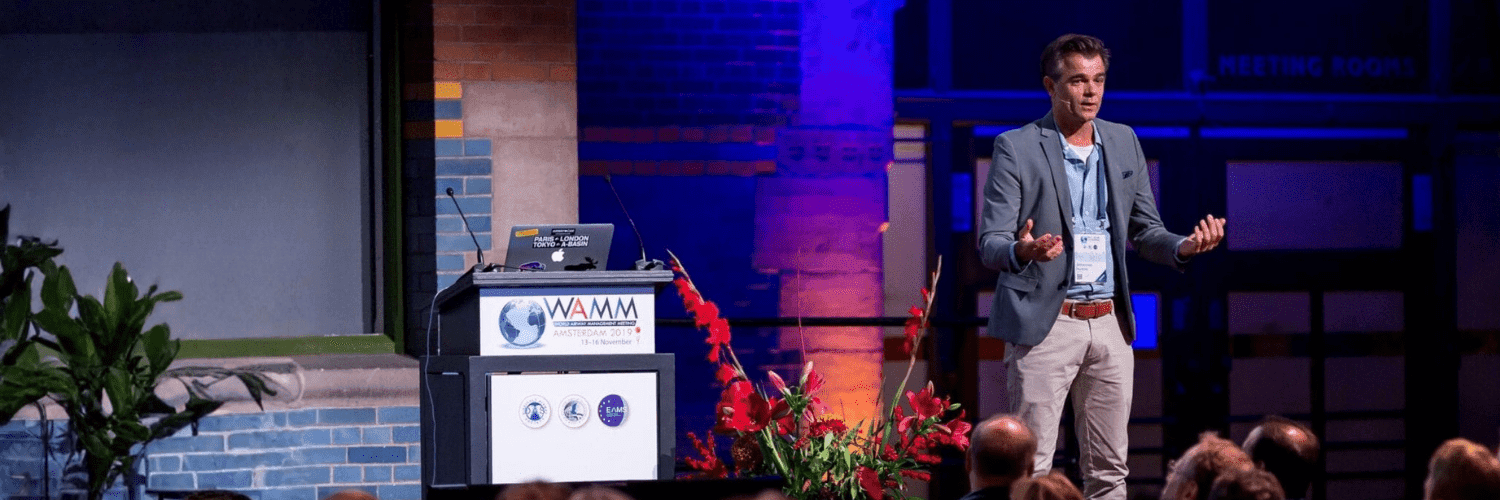
In 2017, Hans Huitink got on his bike with a clear mission: to find a conference venue for 1,800 medical professionals from 75 countries. That search brought him to the Beurs van Berlage. The monumental building, its central location, and the professional approach proved to be the perfect ingredients for the World Airway Management Meeting 2019. What began as a search for a venue evolved into a long-term partnership and, ultimately, a role as an ambassador. In this interview, Hans talks about knowledge sharing, international congresses, and why face-to-face meetings are still indispensable.
The idea for this interview came about after you texted Jean during Carnival. Not while partying, but while working among the cowboys, pirates, and other partygoers. In addition to your role as an anesthesiologist, your work clearly extends far beyond the operating room. Could you tell us a bit more about everything else you do?
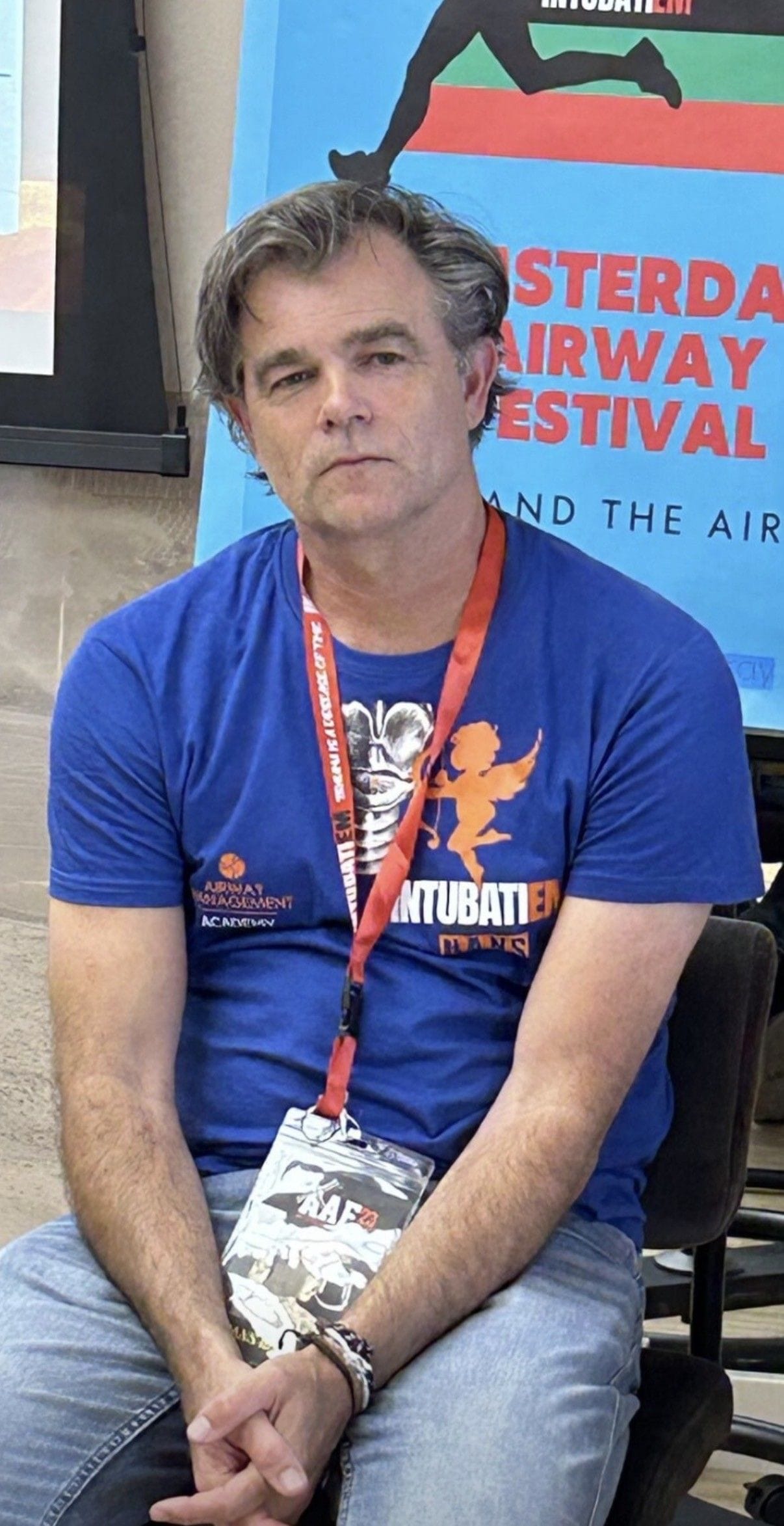
‘Thirteen years ago, I founded a non-profit foundation: the Airway Management Academy. The goal of this foundation is to enhance patient safety and secure the airway for patients undergoing airway management procedures. This can be prior to a surgical procedure in the operating room, but also in intensive care or at the scene of an accident. As a foundation, we provide international education and are active at international congresses and educational events.
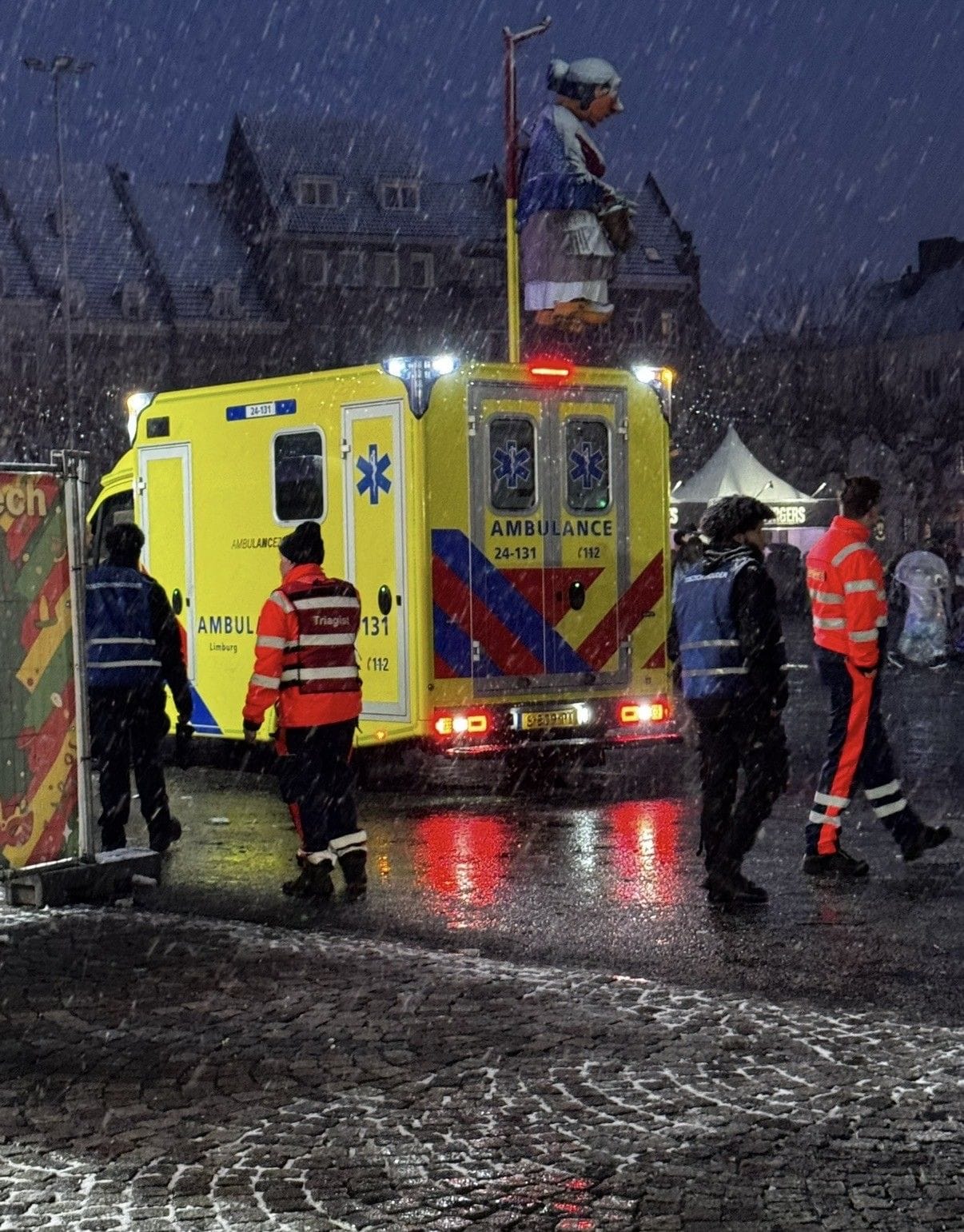
In addition, I work for Witte Kruis Event Medical Services as a specialist emergency care physician. We provide initial care for people who need acute medical assistance during major events: Carnival, marathons, cycling races, concerts, or at Circuit Zandvoort. As an anesthesiologist, I specialise in acute care and am therefore used to improvising under challenging circumstances.
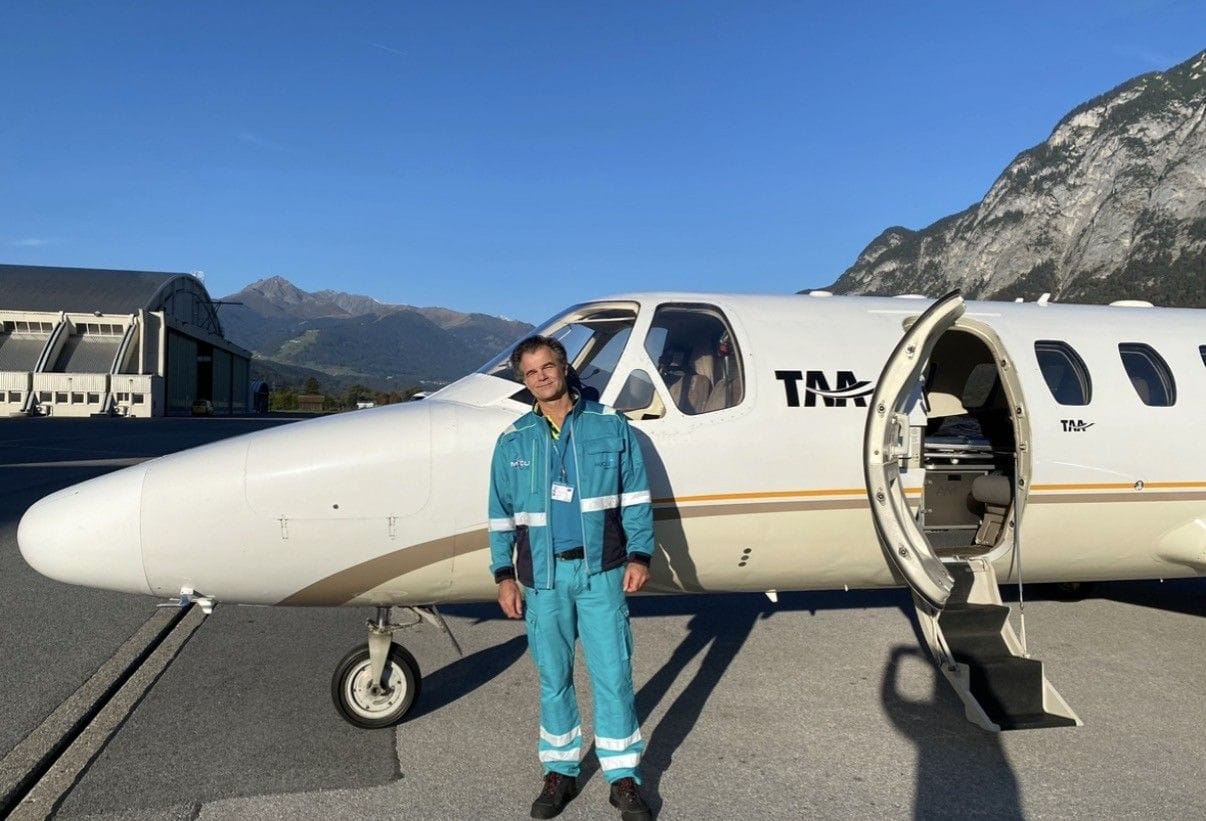
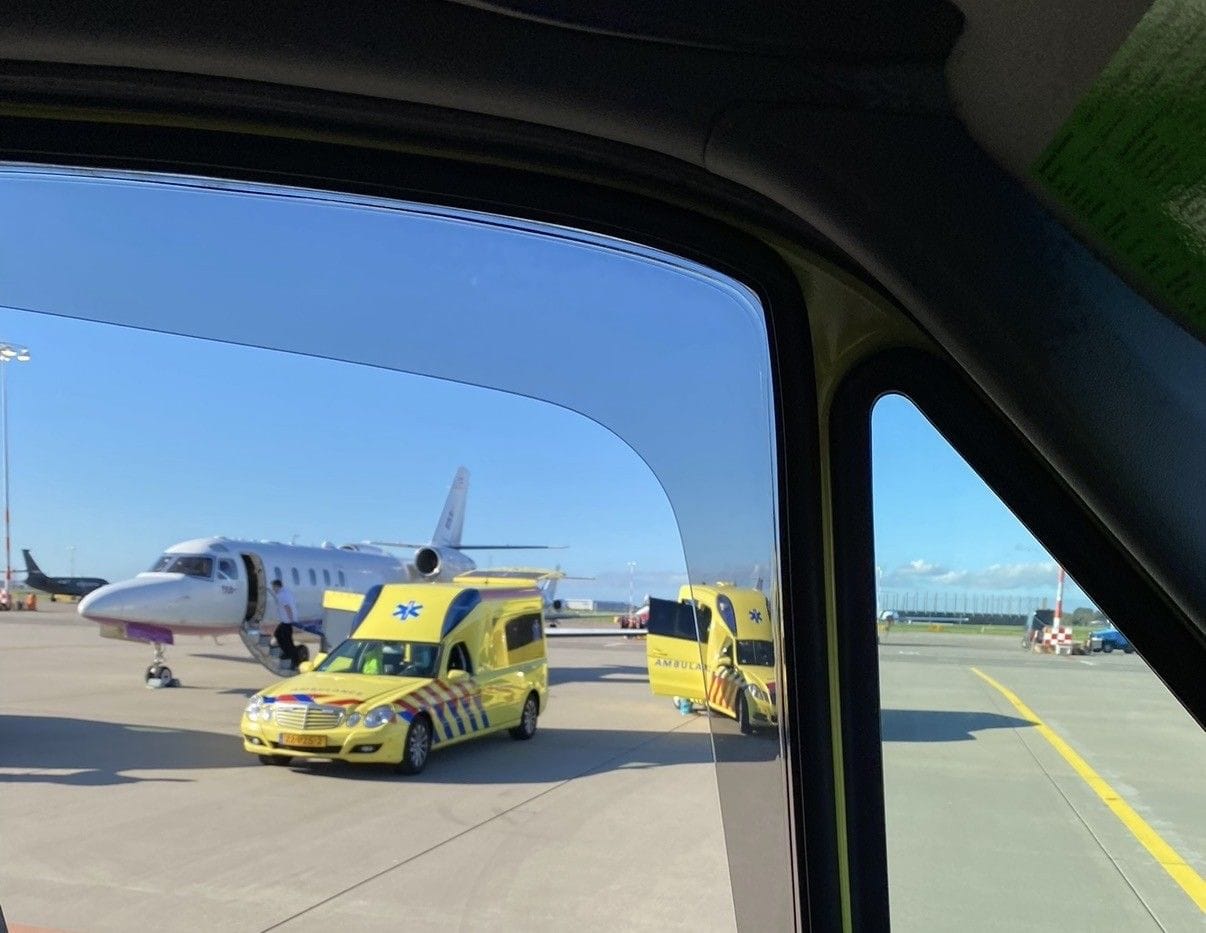
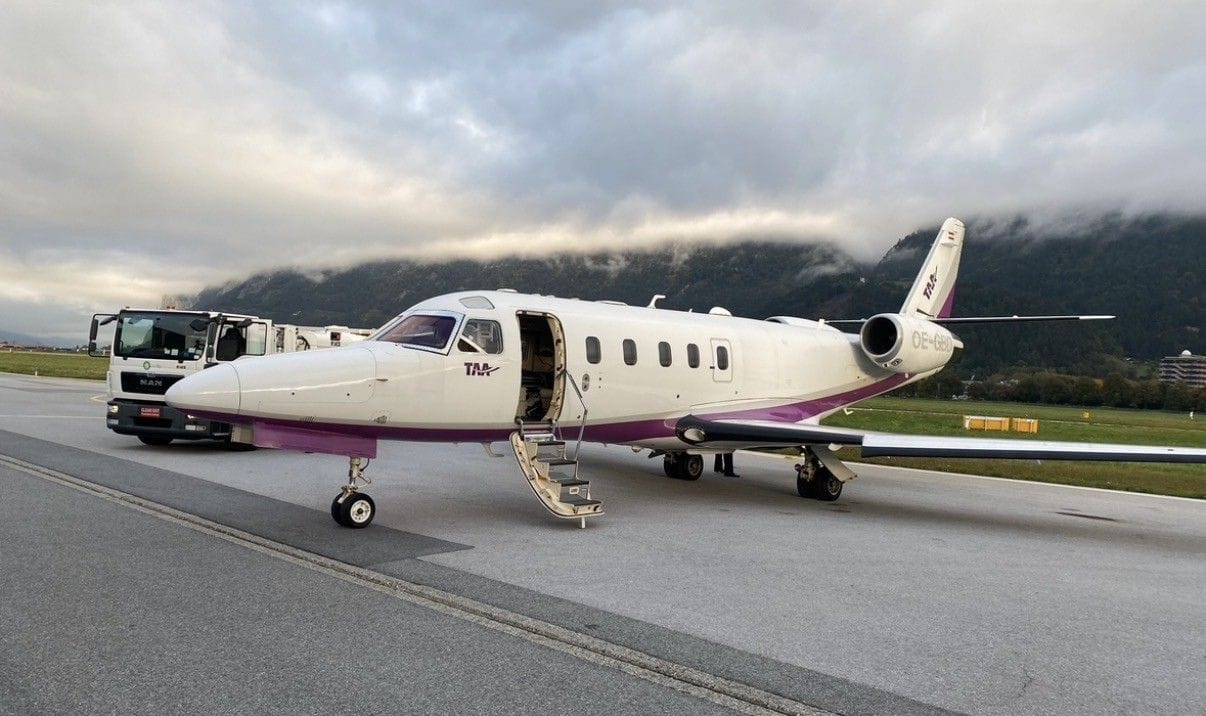
Alongside my work as an anesthesiologist in hospital operating rooms, I work as a physician on air ambulance aircraft. These planes transport critically ill patients who need to be moved to another hospital or intensive care unit. I love combining my work with travel, this is one of the ways I can combine the two.’
In addition to your medical work, you also have an entrepreneurial side. You developed an airway triage app, founded the medical consultancy platform De Meedenk Dokter, and now organise your own international airway festival. Where does that drive come from?
‘As an anesthesiologist, I am involved with patients of all ages and treat a wide variety of conditions Because of this, anesthesiologists are often at the centre of a wide network, both inside and outside of the hospital. Since we encounter so many medical specialties, we usually have an excellent network. And as you can see, that allows you to do all kinds of interesting things. I am good at bringing people together who can learn from or teach one another. I also try to do this in my role as an ambassador for the Beurs van Berlage.
I enjoy taking on new projects because I am curious and love to learn I think that’s what drives me. And I love working with interesting people. Before I organised the World Congress of Airway Management in Amsterdam, I had often participated in congresses as an attendee or speaker, but organising a congress is a completely different story.’
A running theme in your career is knowledge sharing, both with fellow professionals and with patients. In your opinion, what is the biggest challenge in knowledge sharing within healthcare today?
‘The biggest challenge is implementing new knowledge into daily practice. At the end of the courses I organise, I always ask participants how they plan to apply what they have learned in their own hospitals. If you don’t deliberately think about that, the knowledge stays with just one person and little changes.
Another challenge is maintaining the high professional standard for teachers and instructors. Together with the European Airway Management Society, we launched the Teach the Airway Teacher course. This focuses on the skills required to teach effectively. Because knowledge sharing isn’t just about transferring new insights; the way it happens is just as important. The learning impact is greatest when the participant is actively engaged during a training session or congress.’
You already mentioned the importance of networking and collaborating. In addition to publishing, teaching, and international networking, you also organise your own event: the Airway Festival. What does a physical congress or face-to-face event add that other forms of knowledge sharing simply cannot provide?
‘A network is vital for sharing knowledge. You build that network by meeting others, sometimes in a less formal setting or at a beautiful venue. To collaborate effectively, you must get to know and trust each other. You need to understand how the other person works, and internationally, there are quite a few differences in how healthcare systems function. You only find out by talking to one another, exchanging ideas, and sometimes visiting each other’s hospitals.
The real value of a congress is being able to talk to each other face-to-face. That is far more effective than communicating via video calls or email. This often sparks spontaneous collaborations because people from different countries connect with one another.’
You navigate the world of professional associations and medical societies that organise large international congresses every day. This association sector plays a central role in how knowledge and standards spread across the medical world. Is that role under pressure?
‘Professional associations are essential for formulating standards. However, these are subject to change and are certainly under pressure. Personally, I don’t find the massive congresses with over 5,000 attendees to be very effective. The Beurs van Berlage occupies a unique position in the mid-sized conference market. It offers the capacity to host a large congress for 1,800 people, but you can also keep it small. The Beurs has fantastic halls to achieve that.
Due to environmental regulations, many organisations are now restricting air travel. This is justified, but it creates a tension because not all knowledge sharing can happen online. I think the congress of the future will be a two- or three-day event with a limited number of participants, where the focus is on quality rather than quantity. Bigger isn’t always better.’
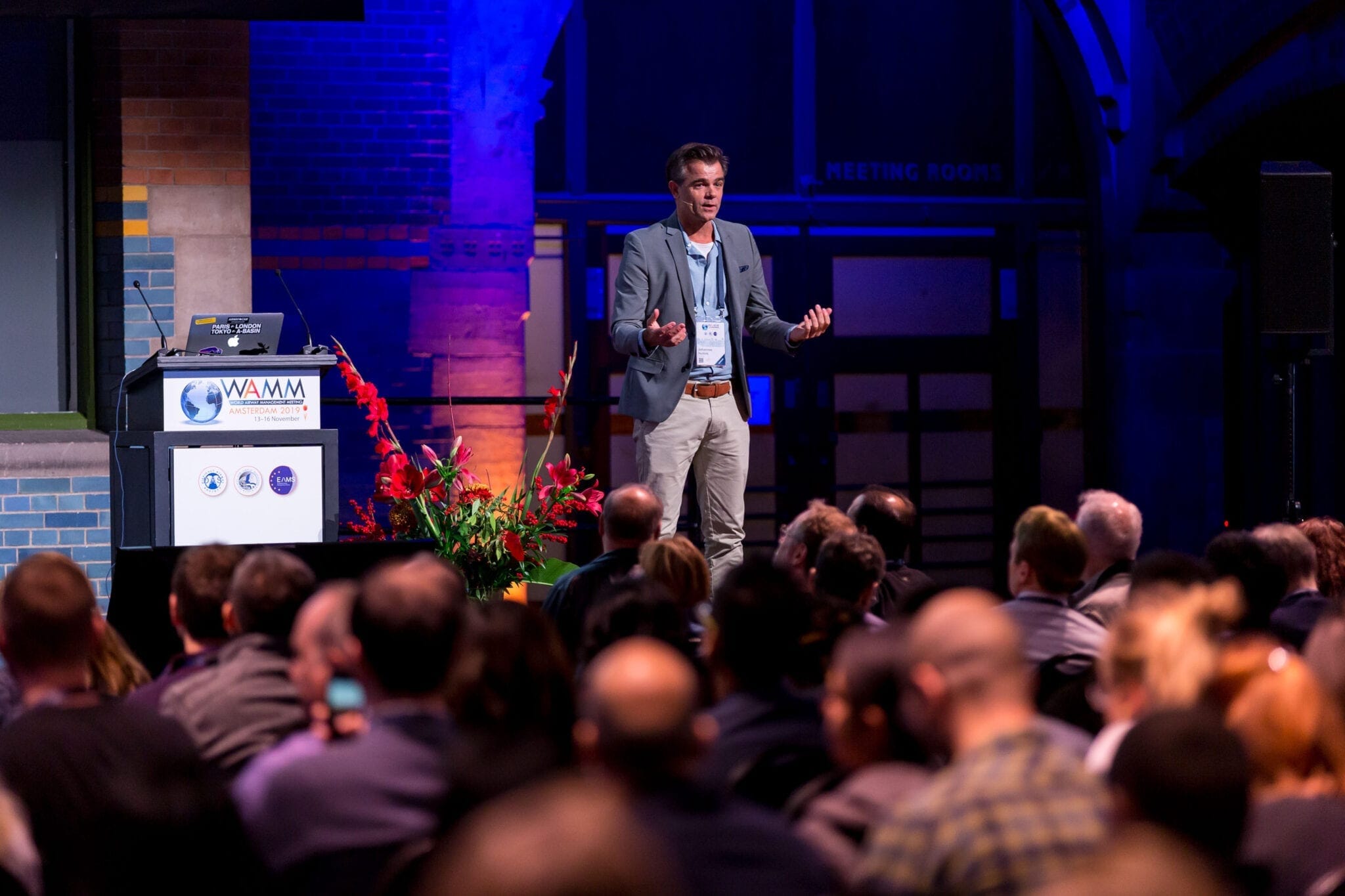
You spoke highly of the Beurs van Berlage as a conference venue. Our collaboration started in 2019, when you hosted the World Airway Management Meeting with 1,800 participants from over 75 countries. What stands out to you most from that congress?
‘The reaction of the participants as they walked into the Beurs van Berlage. It truly has a wow factor. Everyone was deeply impressed by the beautifully restored building, combined with the professionalism of the organisation and the central location in Amsterdam. This gives the Beurs something unique. I still get that feeling every time I walk into the building. WAMM 2019 was also the last large congress possible before the COVID-19 crisis, so it was a memorable event for several reasons. We got lucky there. I still hear from participants how special it was. That is a wonderful compliment for everyone involved.’
If someone approaches you for advice on how to make a congress truly impactful, what are the first tips you give them?
‘First, they shouldn’t underestimate how much time it will take. Second, they should partner with a professional conference organiser. Third, participants often remember the venue and the catering. Fourth, the audiovisual setup must be flawless. And finally, they should organise the event around a theme that truly matters. I think it’s important that a congress isn’t just a congress, but that it triggers something that makes people reflect. With airway management, that is certainly the case. By sharing knowledge, patient care becomes safer. But that is just my opinion as a physician.’
Is there anything else you would like to share?
‘The Beurs van Berlage welcomes everyone with the same warmth and professionalism. I always feel at home whenever I walk in, and by now, I have been able to experience all kinds of events as an ambassador for the Beurs. It never ceases to surprise me. I keep learning and I thoroughly enjoy doing it. I am therefore very proud to be an ambassador. I would highly recommend that anyone looking to organise a conference explore the possibilities with the team. The Beurs is a unique conference venue run by a fantastic team.’