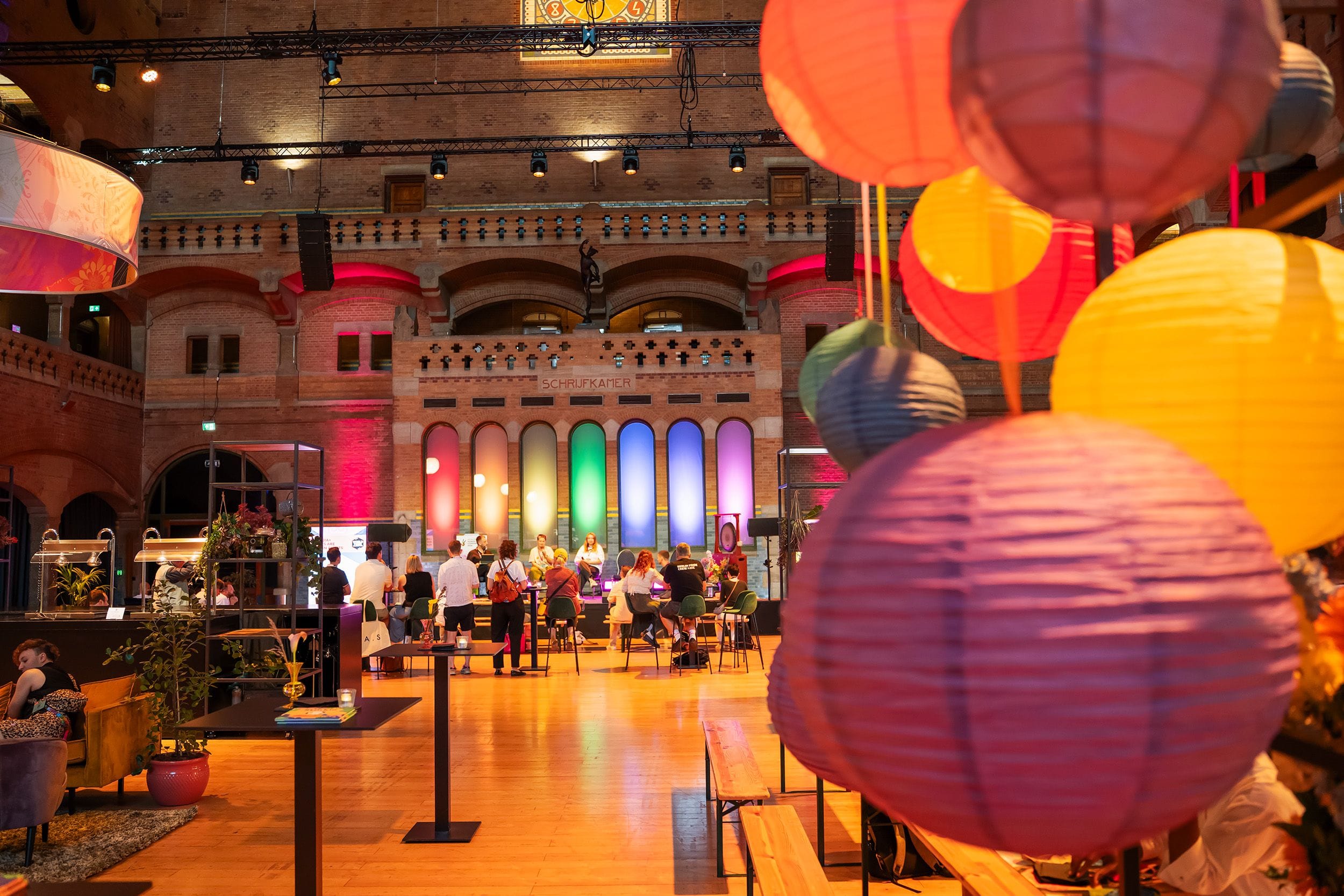
From August 5th – 7th 2026, Beurs van Berlage was the stage of the WorldPride Human Rights Conference. Hundreds of participants from all over the world gathered, met each other and shared their stories, experiences and insights. We were proud to accommodate them, and offer them the opportunity to build lasting connections. We spoke to Lucien Spee, Director of Pride Amsterdam, to hear his thoughts about our venue and what makes the World Pride Human Rights Conference a success.
Why was the Beurs van Berlage the right venue for this conference?
‘For the WorldPride Human Rights Conference, we were looking for a venue that was not only practically suitable for a large international conference, but one that also had a certain character. The Beurs van Berlage offers that combination. It is a historic building, right in the heart of Amsterdam, with tremendous international appeal and, at the same time, enough different rooms to organise dozens of sessions simultaneously.
But I particularly like the symbolism. WorldPride is about visibility, human rights and the place our community occupies in society. So it’s special that hundreds of activists, politicians, academics and Pride organisers from all over the world are coming together at such a prominent location in the heart of Amsterdam. Not somewhere on the outskirts of the city, but literally at the very centre of society.’
How did you experience working together with the Beurs van Berlage team in organising this event?
‘Very pleasant and professional. Organizing a WorldPride Human Rights Conference is quite complex. We had more than 70 sessions, international speakers and participants from all over the world, various programme elements taking place simultaneously and, of course, all sorts of requirements in terms of technology, accessibility, security and hospitality.
What I really appreciated was that the Beurs team didn’t just think in terms of what is normally possible but consistently worked with us to consider what was needed to make this special conference a reality. It really highlights how important it is to have a venue partner who understands that this isn’t just any old conference. For many of our international participants – including activists who cannot express themselves freely or safely in their own countries – this gathering meant much more than just three days of conferences.’
“It’s special that hundreds of activists, politicians, academics and Pride organisers from all over the world are coming together at such a prominent location in the heart of Amsterdam. Not somewhere on the outskirts of the city, but literally at the very centre of society.”
Which session or part of the conference programme were you most looking forward to, and why?
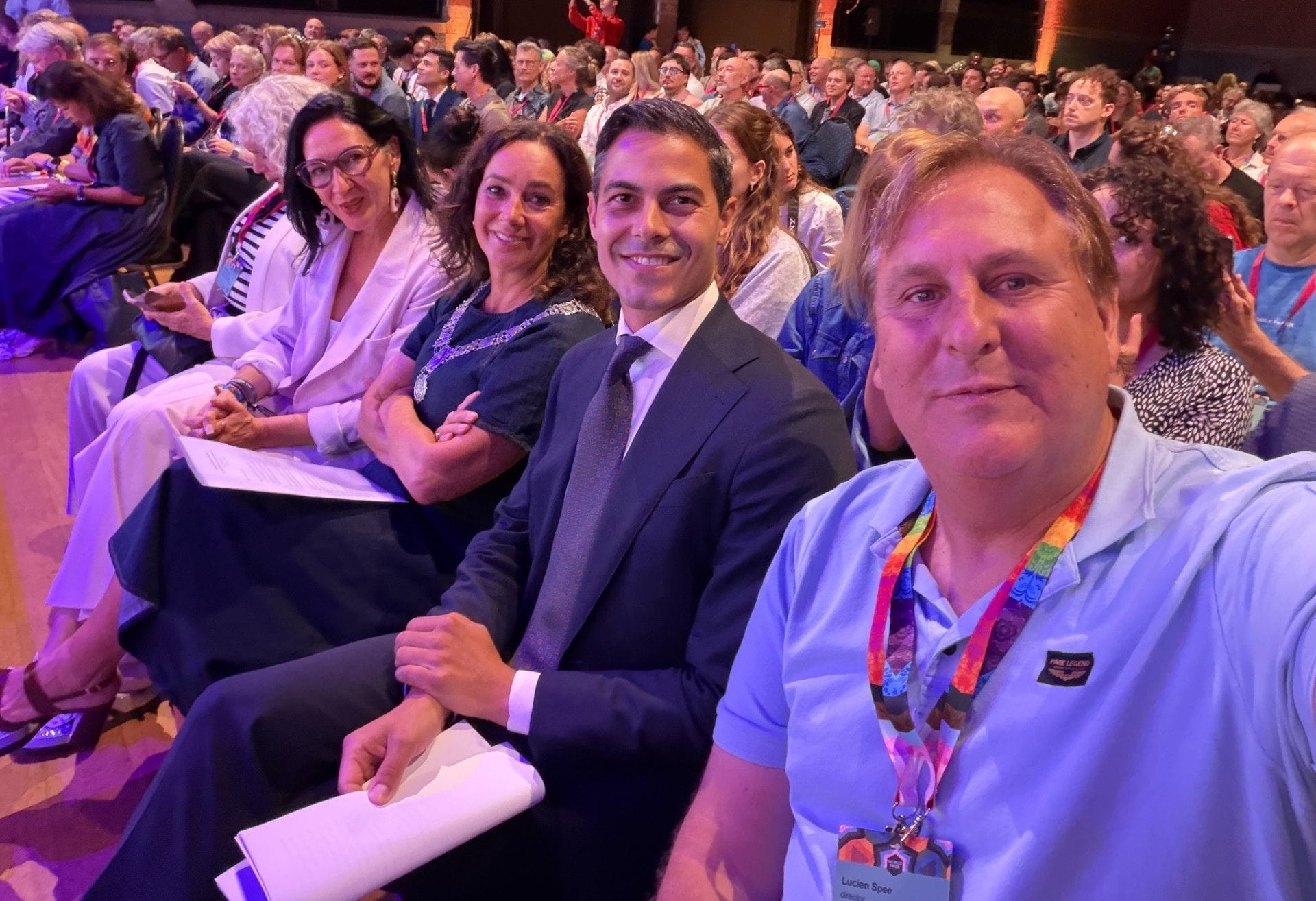
‘I was perhaps most looking forward to the opening plenary on Wednesday morning. Not because of any one speaker, but because of the range of people who were coming together there. We had Prime Minister Rob Jetten and Mayor Femke Halsema, but also activists such as Tamara Adrián from Venezuela and Nayyab Ali from Pakistan, international sportspeople and young people who, through Model United Nations, presented their priorities to representatives from organisations including the United Nations and ILGA World.
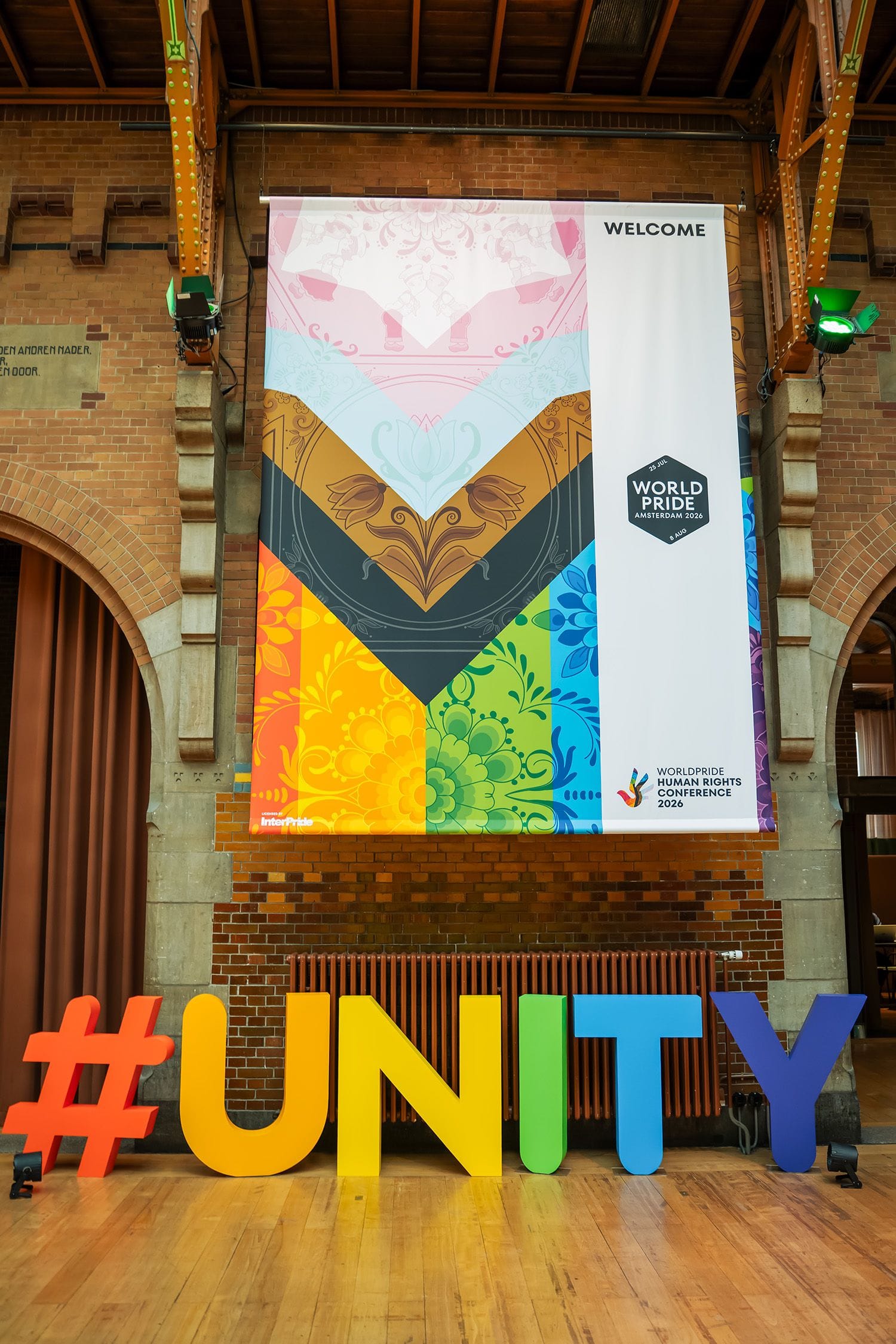
When I saw all those people gathered in the Grote zaal, it really struck me: this is why we brought WorldPride to Amsterdam. People living in completely different circumstances, who sometimes literally must fight for rights that we here have come to take for granted, were sitting there together in one room. To me, that is UNITY in practice.
And ultimately, it was precisely the encounters outside the official sessions that moved me. People from every continent coming together here, sharing experiences and making plans to continue supporting one another after Amsterdam. You can’t plan for that entirely, but it is perhaps the most important thing such a conference can achieve.’
When would you consider this conference a success?
‘Not when the last visitor has gone home and we can say that everything went according to plan. For me, this conference will only truly be a success if something comes of it after Amsterdam.
If someone here has made a connection that helps make a Pride event in another country stronger or safer. If an activist takes home new knowledge or an international network. If a politician or policymaker starts to view an issue differently because of a personal story. Or if organisations that met here for the first time are still working together next year.
We didn’t bring WorldPride to Amsterdam just to show how free and tolerant we are here. Precisely at a time when LGBTQIA+ rights are under pressure in various parts of the world, we must use our position to connect with people and strengthen our international movement.
If even some of the conversations that began over these three days at the Beurs van Berlage go on to lead to greater freedom, safety and/or equality elsewhere in the world, then, for me, this Human Rights Conference will have been a success.’